

Coffee Decoded: Why are they called coffee “beans”?
Welcome to Coffee, Decoded, the Specialty Coffee Association’s weekly column on science, research, and all things coffee knowledge. I’m PETER GIULIANO, and each week I answer coffee questions, interpret research, and dive deep into coffee science.
Ask the internet about coffee beans, and somewhere it will be written that "coffee beans are actually seeds." While this is true, it's also true that all beans are actually seeds, so it's something of a circular argument. Come to think of it, corn kernels, wheat grains, cherry pits, and peanuts are all seeds too. So, while true, saying "coffee beans are seeds" doesn't quite explain why we call coffee seeds "beans." Let's dig a little deeper.
The word "bean" comes to us from the ancient languages spoken in Northern Europe, long before writing was invented. Linguists have certain techniques to guess how these old, long forgotten languages worked. One of these early languages, called proto-Germanic, had a word that sounded something like "bauno," which described the legume we now call the fava bean. Fava beans were one of the earliest domesticated foods and Europeans have been eating them for more than 8,000 years, before the other seeds we call "beans"—including coffee—arrived on the scene.
This was the state of affairs until about the 17th century. European exploration, colonization, and trade had brought new vegetables to Europe from the Americas, one of which resembled what Europeans were already calling "beans." These American beans were what we now simply call "beans" that is, navy beans, pinto beans, black beans, and red beans, those wonderful legumes that were domesticated by Indigenous Americans.
Around the same time, a different seed appeared, this time via traders from the Arabian Peninsula. This new seed called coffee also resembled beans, but was used to make a hot drink. The name stuck anyway. Coffee beans were used to make a beverages, other beans were used to make food. They all looked similar, but nobody was confused: people were simply using the term “bean” to mean a small, oblong seed you make something with. This would have made sense to all the speakers of the Germanic languages including German, Dutch, and English.[1] It’s likely that “coffee bean” entered English via the Dutch word koffieboon, which means, well, “coffee beans.”
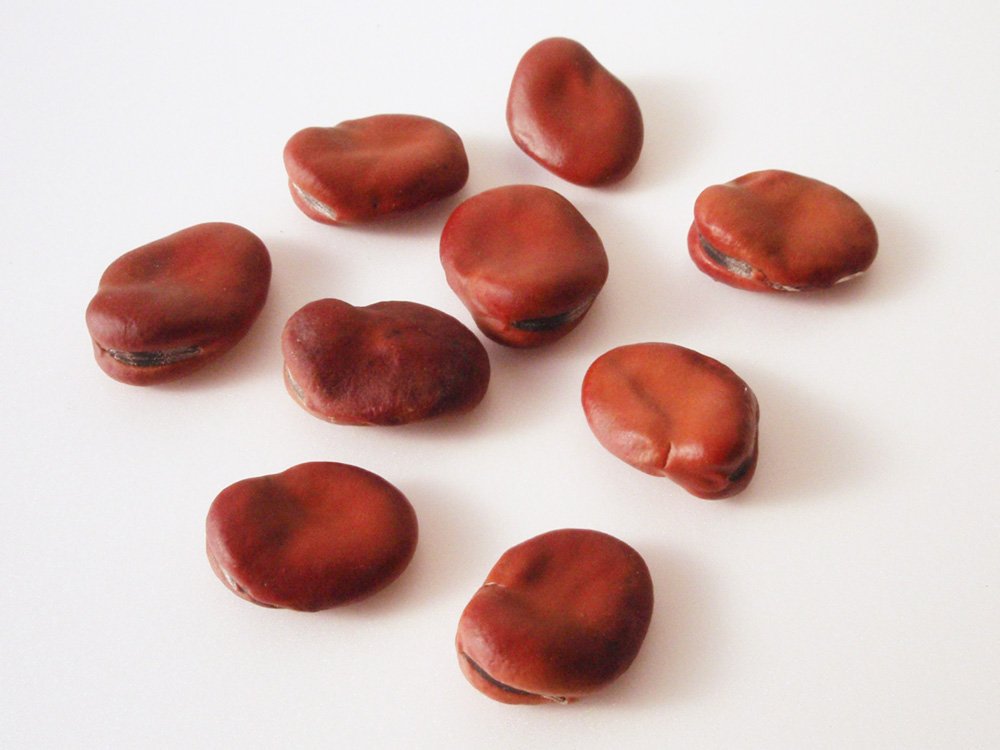
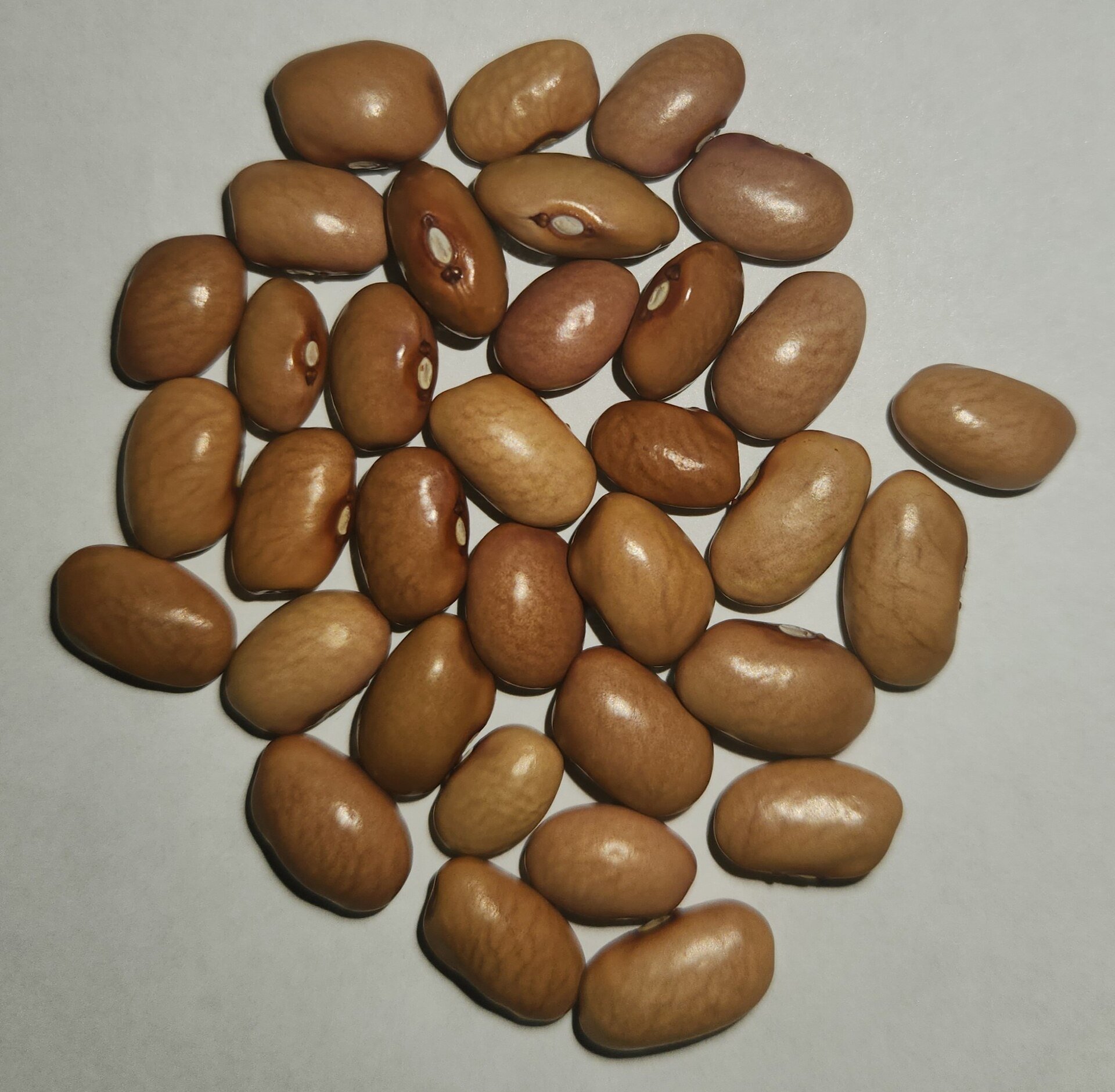
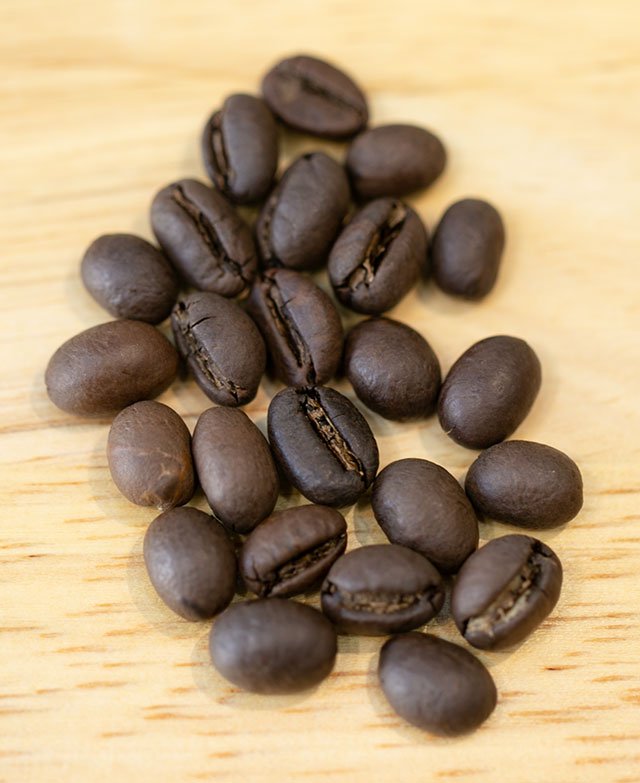
Images 1-3: Dried Fava beans, Dried American beans, Roasted coffee beans (robusta). Images sources from Wikipedia.
You may have heard that calling coffee “beans” comes from the Ethiopian word bunna, which means “coffee” in Amharic, the primary language of Ethiopia. However, the similarity in sound is just a coincidence! The word bunna actually derives from an ancient Semitic term, probably originally from Syria.[2] The word buna in Syriac meant “barley seeds soaked in water,” which was a popular drink at the time. This word entered Arabic as bunn and, as coffee seeds brewed in water overtook barley in popularity, the term became applied to coffee. The same word entered Ethiopian Amharic too, and survives today as bunna.
So, bunna means “coffee” in Ethiopian, from a word that means barley seeds. Coffee seeds are called beans, from a word that means favas. And it’s all testament to the wonderful way plants, foods, and languages swirled around the ancient world, changing meaning and identity as they went.