

Coffee Decoded: The Science of “Dialing-In”
Welcome to Coffee, Decoded, the Specialty Coffee Association’s weekly column on science, research, and all things coffee knowledge. I’m PETER GIULIANO, and each week I answer coffee questions, interpret research, and dive deep into coffee science.
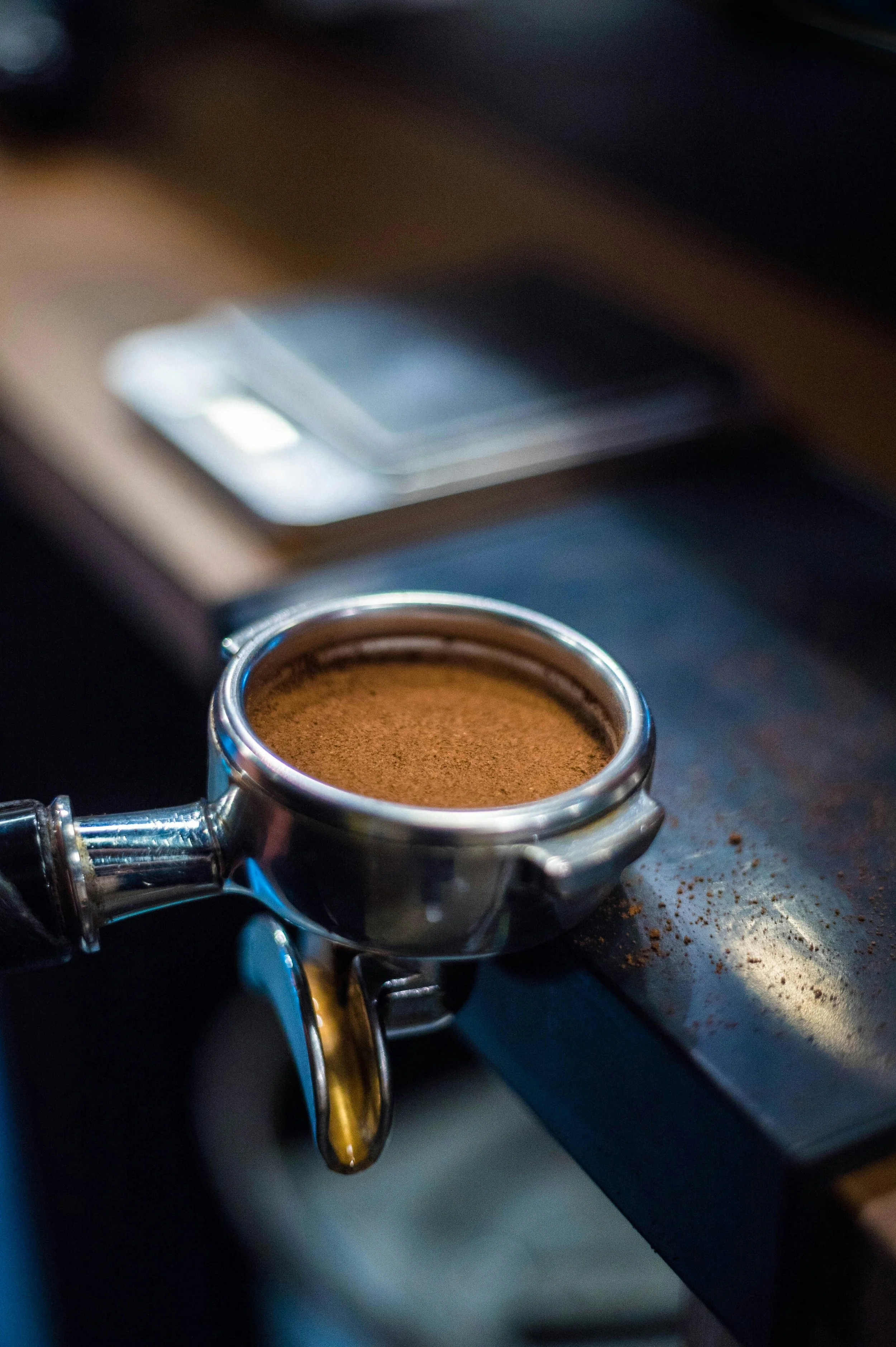
Every barista knows the process: when serving an unfamiliar coffee, we go through a procedure known as “dialing in,” where we adjust factors like dose, grind, and extraction level to optimize the flavor of a coffee brew. It’s a kind of tuning: adjusting variables methodically until the optimal flavor appears. It’s an art as much as it is a science and the process of dialing in is a key skill of an expert coffee brewer.
But, there is a science to the process of dialing in a coffee, and it’s older than many realize. Here’s the history.
In 1936, the governments of several Latin American coffee producing countries, along with the United States, formed the Pan American Coffee Bureau, an organization dedicated to promoting coffee consumption. In 1955, they formed a research institute named the Coffee Brewing Institute, aimed at understanding coffee scientifically. They hired as director Ernest Earl Lockhart, a food scientist, and began a decade of cutting-edge coffee research. In his research, Lockhart developed a hypothesis that coffee beverage quality could be estimated by measuring the Total Dissolved Solids (TDS) and calculating the Extraction Percentage (PE) of a given coffee. These are different things: TDS is the amountof coffee solubles in water (how strong the coffee is), and PE is the amount of coffee solubles extracted from a given amount of coffee grounds (how much you’re getting out of the coffee). He published The Soluble Solids in Beverage Coffee as an Index to Cup Quality in 1957,[1] proposing that by measuring TDS and calculating PE, you could predict coffee flavor and quality. He included a “Brewing Control Chart,” with which a user could plot the variables of a given coffee, and determine whether the coffee was “strong,” “weak,” “under-developed,” or “ideal.”
Nearly 65 years later, the Coffee Science Foundation, supported by a grant from Breville, funded research at the UC Davis Coffee Center aimed at revisiting Lockhart’s pioneering work. Using modern measurement techniques, sensory analysis, and consumer research, the UC Davis team was able to both validate Lockhart’s work and build upon it. They showed that, indeed, if you manipulate a coffee’s TDS and PE, you change its flavor in a predictable way. This is the essence of “dialing in”—manipulating brewing parameters to optimize coffee flavor.
The work, presented in several academic papers,[2] showed that coffee’s sweetness is maximized at low TDS and PE, while bitterness is maximized at high TDS and PE. Berry and citrus flavors manifest at high TDS and low PE, while tea-like flavors emerge at low TDS and high PE. It was a stunning validation of the barista’s art, showing that the subtle manipulation of brewing variables in coffee can actually change the coffee’s flavor in the cup.
…coffee’s sweetness is maximized at low TDS and PE, while bitterness is maximized at high TDS and PE. Berry and citrus flavors manifest at high TDS and low PE, while tea-like flavors emerge at low TDS and high PE.
The researchers went on to publish revised versions of Lockhart’s Brewing Control Chart,[3] this time including specific sensory and consumer data, providing a new tool for baristas to use when dialing in their coffees.
References
[1] Earnest E. Lockhart, The Soluble Solids in Beverage Coffee as an Index to Cup Quality, Coffee Brewing Institute, 1957. Available at https://www.google.com/books/edition/The_Soluble_Solids_in_Beverage_Coffee_as/lh-_PwAACAAJ?hl=en
[2] Coffee Science Foundation, Brewing Fundamentals, https://coffeescience.foundation/brewing-fundamentals
[3] Jean-Xavier Guinard, Scott Frost, Mackenzei Batali, Andrew Cotter, Lik X Lim, William D Ristenpart. “A new Coffee Brewing Control Chart relating sensory properties and consumer liking to brew strength, extraction yield, and brew ratio.” J Food Sci. 2023, https://doi.org/10.1111/1750-3841.16531.
Learn More
WATCH. William D. Ristenpart, Head of the Coffee Excellence Center at UC Davis presents the results of their research into extraction, and proposed new versions of a brewing control chart. Watch on the Specialty Coffee Association Youtube.
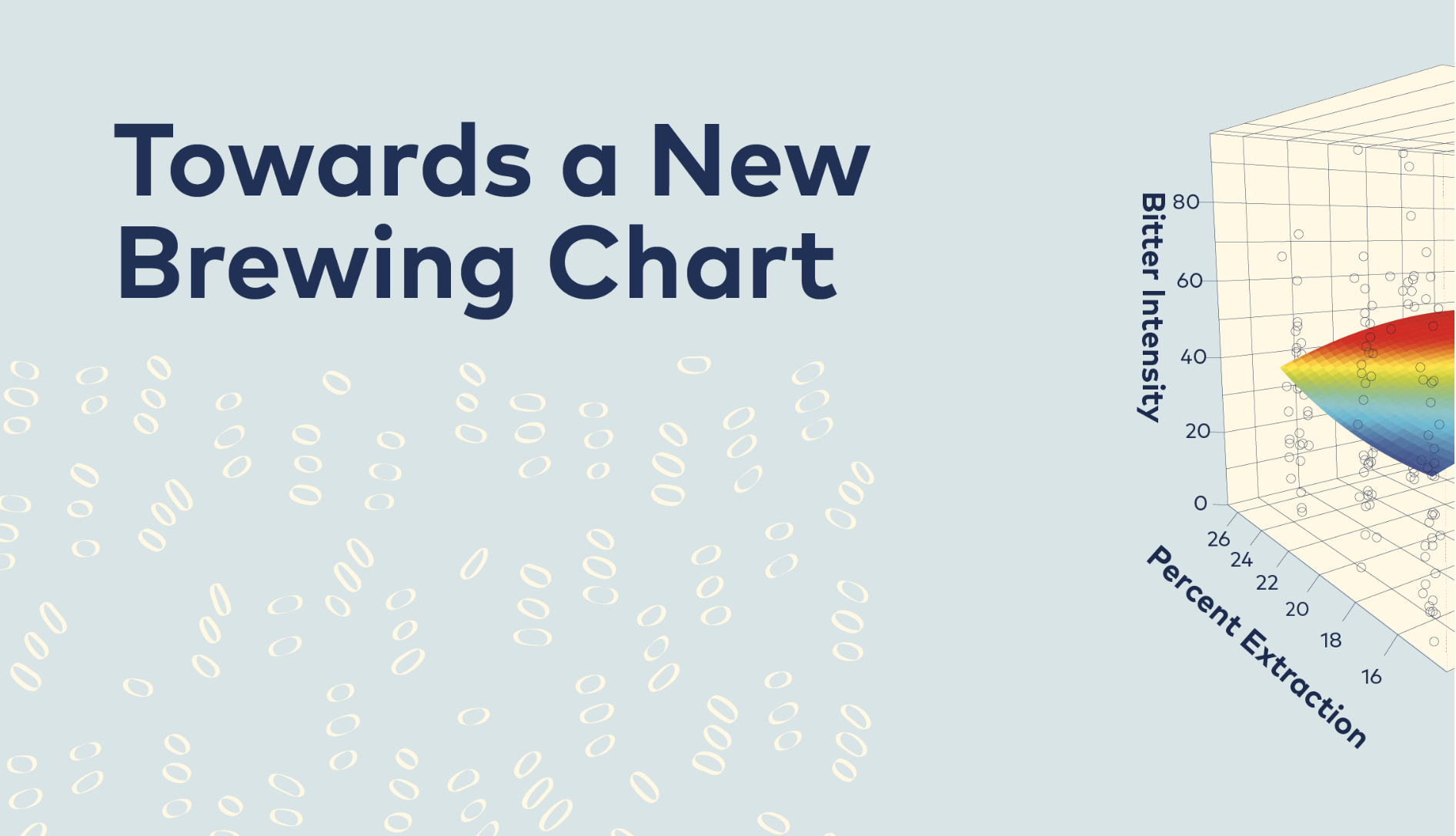
READ. Scott Frost, Mackenzie Batali, Jean-Xavier Guinard, and William D. Ristenpart share a plain-language summary of their research towards a new brewing control chart in 25, Issue 13. You can read the article here and find the full 25 archive via the SCA Member Portal.

READ. Learn how researchers from the Hendon Coffee Lab are using electrochemistry to better understand the chemical compounds extracted in espresso, and how these are influenced by variables such as time, temperature, and grind size. You can read the article here and find the full 25 archive via the SCA Member Portal.