

Coffee Decoded: What Makes Fruit-Dried Coffees Taste Fruity?
Welcome to Coffee, Decoded, the Specialty Coffee Association’s weekly column on science, research, and all things coffee knowledge. I’m PETER GIULIANO, and each week I answer coffee questions, interpret research, and dive deep into coffee science.
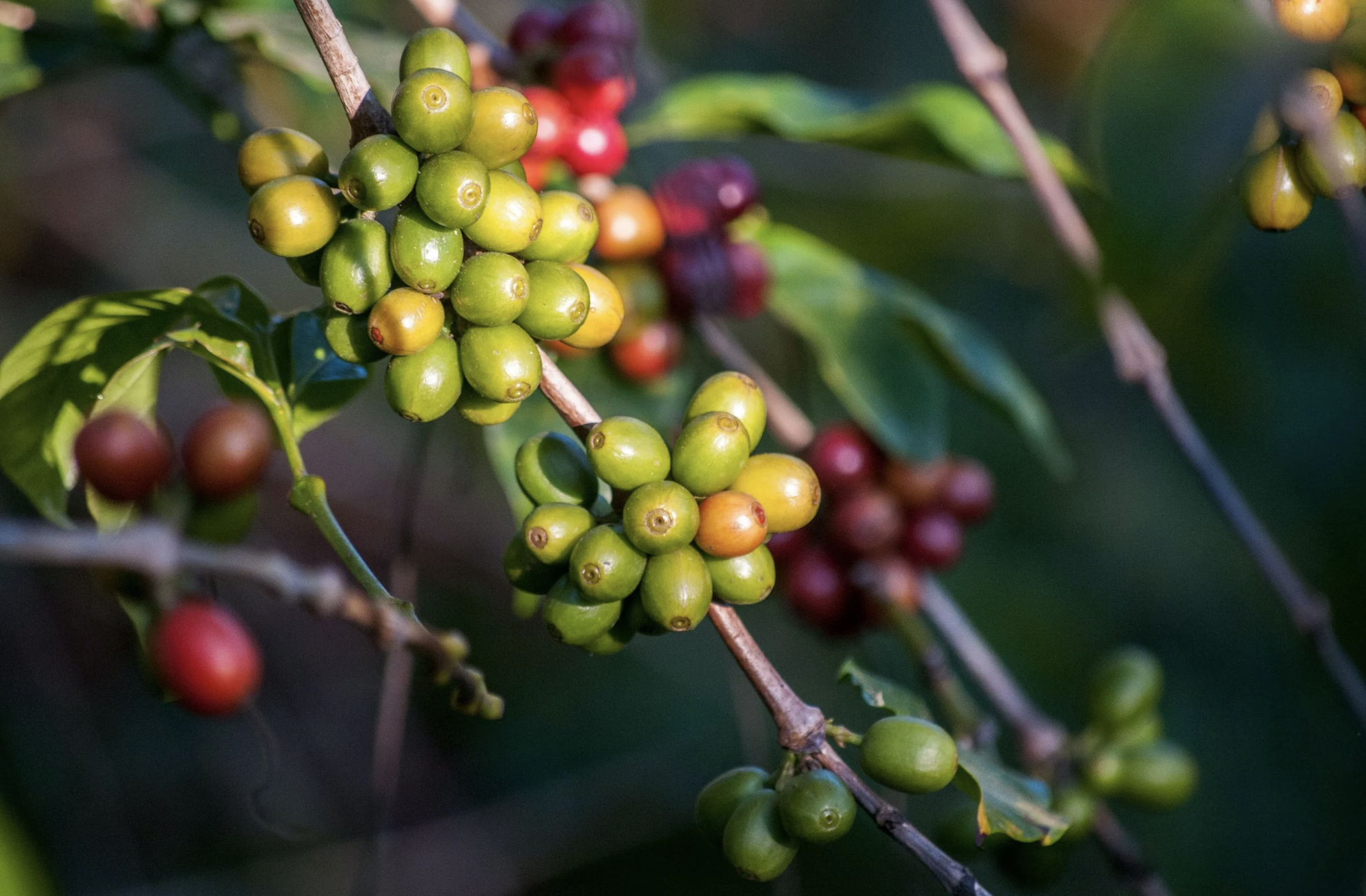
It’s a core memory for most coffee tasters: the first time they tasted a truly fruity coffee. Often, it’s the kind of coffee called a “natural,” “sundried,” or “dry-process” coffee; a coffee picked and dried entirely in its fruit, without a depulping or washing stage. These are the coffees traditionally associated with the countries of Ethiopia and Yemen, although fruit-drying is now done in most countries of the world. Producers of specialty fruit-dried coffees spread ripe coffees on drying tables or patios, protecting them from dampness and mold as they dry thoroughly before hulling and roasting.
The fruity flavor of these coffees can be memorable. Sometimes it manifests as a strong blueberry note, like a sweet blueberry jam. Other fruit-dried coffees have a similar but distinct strawberry flavor, slightly lighter in character but just as intoxicating. Mysteriously, not all fruit-dried coffees taste this way. But the ones that do are striking.
Since these coffees are dried within the coffee fruit itself and the taste is so strikingly fruity, the assumed mechanism is obvious: the coffee cherry's sugar juices must be soaking into the seeds as they dry. But this theory doesn’t stand up to scrutiny: coffee fruit doesn’t taste like strawberries or blueberries, for one thing. For another, why wouldn’t all coffee seeds—which after all are surrounded by the coffee fruit’s juice for their entire existence up to that point—taste fruity?
The real answer is that the fruitiness doesn't come from the coffee fruit's existing flavor at all. It comes from new aroma compounds, specific fruity-smelling molecules called esters, that form after the coffee is picked. Coffee scientist Mario Roberto Fernández-Alduenda* identified these compounds in his PhD research, which he began in 2015. Two natural processes create them: catabolism and fermentation. Let's unpack what these words mean.
Catabolism: Breakdown
As a plant grows, it turns sunlight, carbon dioxide, and nutrients from the soil into complex, large molecules made to store energy and, eventually, reproduce. This is a process called anabolism. These molecules—including sugars, proteins, and larger carbohydrates—are stored in the coffee’s fruit and seed. When the fruit is picked, the process slows dramatically: the fruit is no longer connected to the plant’s photosynthetic system. Soon, another process called catabolism takes over: the breakdown of those large molecules into energy and other compounds. This catabolic breakdown might happen via the plant’s own metabolic system, or it might happen by microbes, but it is inevitable. So catabolism means, simply, breakdown.[1]
Fermentation: Yeasts at Work
Fermentation is slightly different. Though we broadly use the term to describe a wide range of processes based on allowing microbial action on food, the most specific and common form of fermentation is driven by yeasts. Wild yeasts are microscopic fungi that are everywhere in nature, especially on the skins of fruit. These yeasts love to eat and digest sugar. When they do, they excrete alcohol. This is why we use yeasts to ferment grape juice into wine. Skin-dwelling yeasts can also turn coffee sugars into alcohol after picking. But yeasts can produce more than alcohol—another byproduct of yeast fermentation is a wide variety of aromatic chemicals.[2]
How Catabolism and Fermentation Combine to Create Fruitiness
So, as you might imagine, once a coffee cherry is picked, both catabolism and fermentation begin working on that sweet coffee fruit. Could these processes be linked to our beloved fruity flavors?
Turns out, that’s exactly the story. Using an innovative method called descriptive cupping along with chemical analysis, Fernández-Alduenda identified several molecules in fruit-dried coffees that correlated with fruity flavors. Some of these are generally like fruity-smelling ethyl esters. Others are more specific such as Ethyl 2-methylbutanoate (which happens to taste like strawberries) and Ethyl 3-methylbutanoate (which happens to smell like blueberries). These require both catabolism and fermentation to produce—natural processes that begin once the fruit is picked.
So, it turns out that fruity taste is not from the juice soaking into the seed. It’s a more complex and interesting process. What happens is that sugars are broken down by yeasts, microbes, and the coffee’s own metabolism. These processes create esters which create new fruity flavors that infuse the coffee seeds. Magic! Dr. Fernandez-Alduenda received his PhD for this work, and we now know a lot more about the processing of naturals.
*And a final note: Dr. Mario Roberto Fernández-Alduenda is now the Technical Vice President at the SCA, and I’m proud to be his colleague. If you want to read the PhD thesis itself, it is here. And the work even inspired an Instagram reel by @coffee.with.carly.
Learn More
READ.
SOPHIA JIYUAN ZHANG and FLORAC DE BRUYN share research on the impact of post-harvest coffee processing on coffee quality across different geographic locations. This is a great primer for anyone wanting to understand impacts of fermentation.
You can read the article here and find the full 25 archive via the SCA Member Portal.
READ.
This Coffee Decoded column isn’t talking about coffee with added “stuff,” including flavor adjuncts—that’s a different story. However, you might find this short article from Dr. Mario Fernández-Aldeunda about how fermentation, microbes, and added flavoring can impact coffee flavor interesting.
You can read the article here.