

Welcome to Coffee, Decoded, the Specialty Coffee Association’s weekly column on science, research, and all things coffee knowledge. I’m PETER GIULIANO, and each week I answer coffee questions, interpret research, and dive deep into coffee science.
Even within a single brewing method, coffee people will find ways of tweaking, perfecting, and arguing about their favorite brew. And so it is with filter brewing.
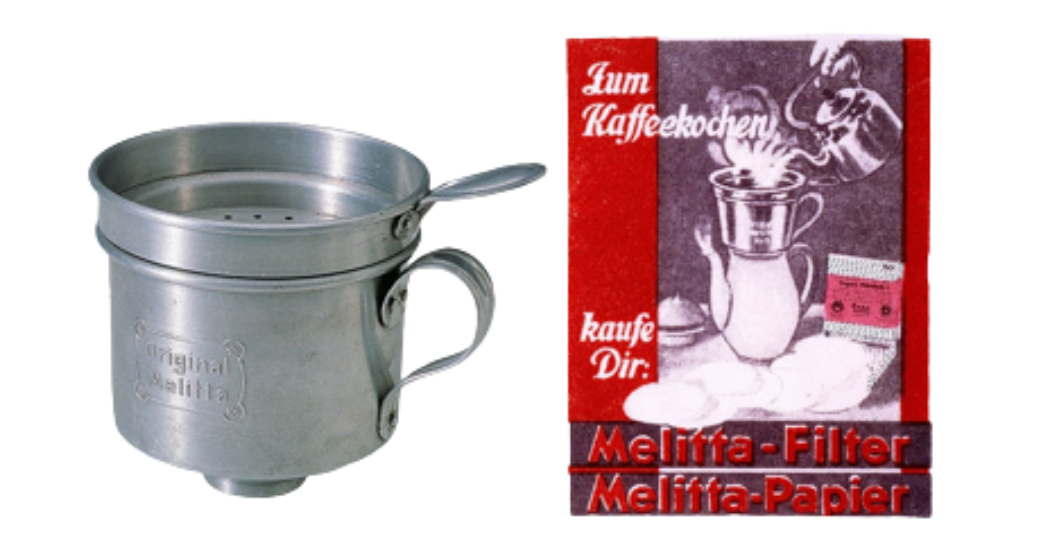
Figure 1: The original Melitta Coffee Brewer, introduced in 1910. Source: melitta.com
The paper-filter method of brewing was invented by Melitta Bentz, a German woman who wanted to simplify coffee brewing. In 1908 she punched holes in a metal cup, lined the bottom with a circle of blotter paper, added ground coffee, and poured water through to brew. It was the invention of the flat-bottomed filter basket, patented that same year. The “Melitta Coffee Brewer” and filters were introduced in 1910 and became a hit.
Twenty-seven years later, the Melitta company introduced a different design, aimed at speeding up coffee brewing. It was called the “Schnell-filter” (literally, fast-filter), and it was the first cone-shaped filter holder and filter paper. In short, the Melitta company invented both the flat-bottomed coffee filter and the cone-shaped coffee filter, two categories that still exist today.
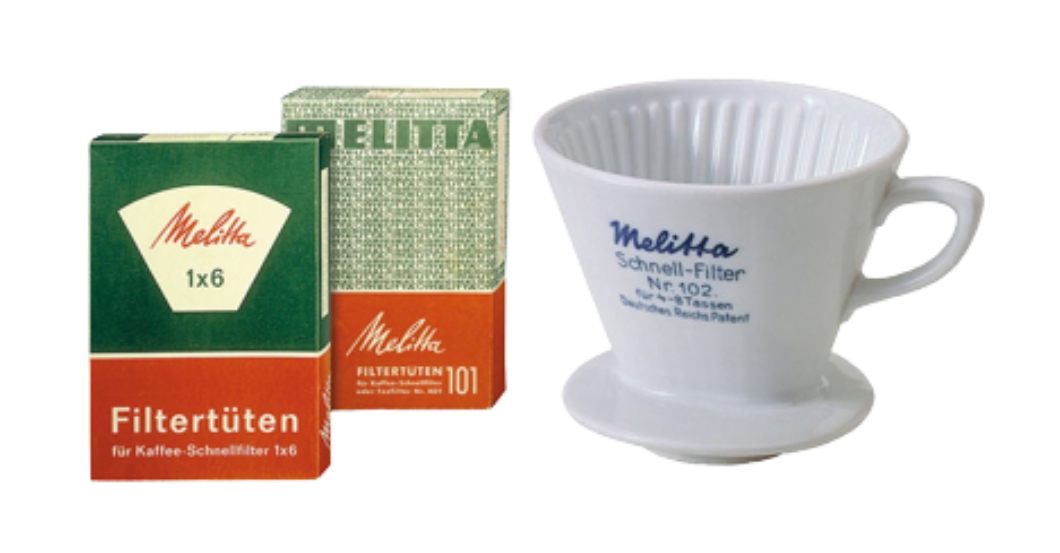
Figure 2: The Melitta "Schnell-Filter", introduced in 1937. Source: melitta.com
Of course, over the decades, everyone developed a preference. Some embraced the cone shape, especially in Europe and Asia, while others stuck with a flat-bottom filter basket, especially in the United States. The lines were drawn. Some people insisted that flat-bottomed filters were better, others claimed the opposite. Still others found no difference at all—how could shape possibly affect taste?
In 2017, Breville and the SCA supported the very first Coffee Science Foundation project, aimed at understanding filter brewing dynamics. It was a large and complex project, aimed at testing all aspects of filter coffee brewing. The research was performed at the UC Davis Coffee Center (who created a tremendous number of research outputs, you can peruse them here). One of the interesting side quests in the research was suggested by Breville, who, after all, make coffee brewing equipment. Was there a scientifically measurable difference between flat-bottomed and conical filter baskets? The researchers set about to find out.
The UC Davis Researchers, led by Scott Frost and his colleagues, set up an experiment which included variables like roast darkness and grind size in addition to filter basket shape. And, to taste the coffees, they used both a trained sensory descriptive panel and a panel of 85 consumers. What they found was fascinating: though roast darkness affected taste most of all, basket shape affected flavor too—more than some differences in grind coarseness. Coffee brewed in cone filters tended to have higher Total Dissolved Solids (TDS, a measurement of beverage strength) , which magnified several flavors, like tobacco and smoke, while flat-bottomed filters tended to be sweeter.
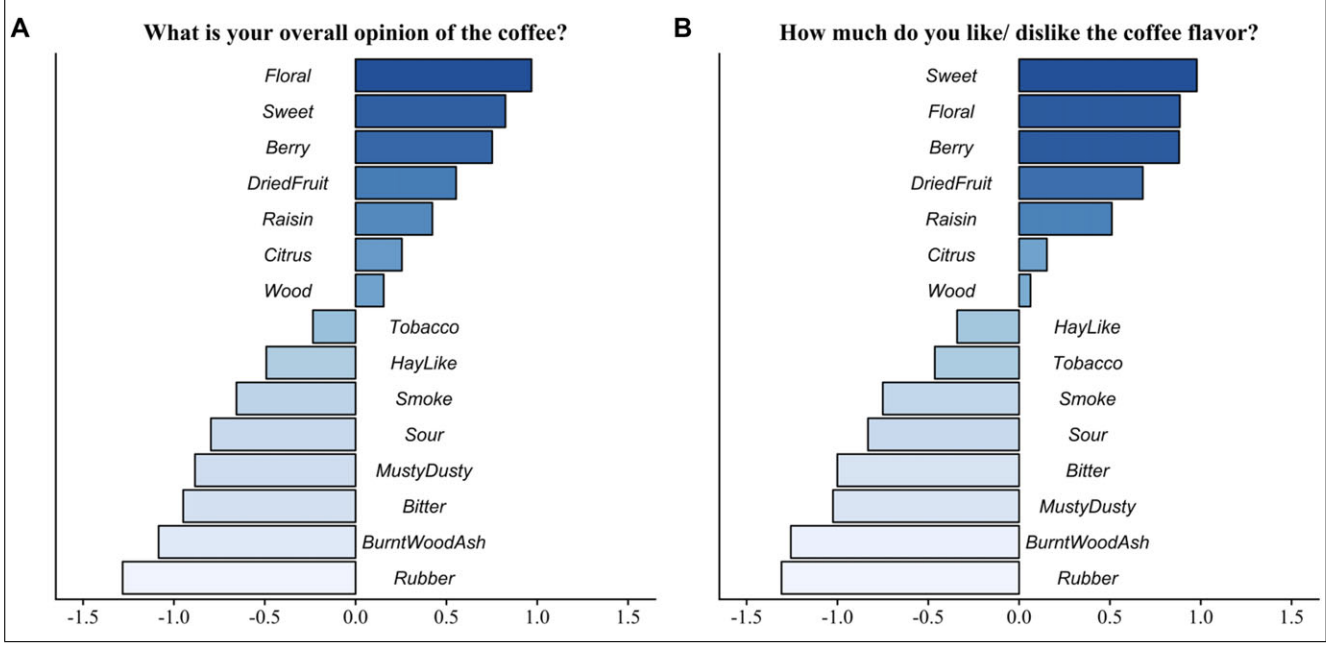
The results from the consumer tastings were even more interesting. There was no “favorite coffee” among the consumers: instead, they divided themselves preference-wise into four clusters of similar size (see figure 3). One cluster preferred dark roasts brewed in a conical filter basket, a second cluster preferred light roasts in a conical basket, a third cluster preferred dark roasts in a flat basket, and a fourth that preferred light roasts in a flat basket(!). Though these results were variable, they weren’t random: turns out, consumers have varying preferences in coffee.
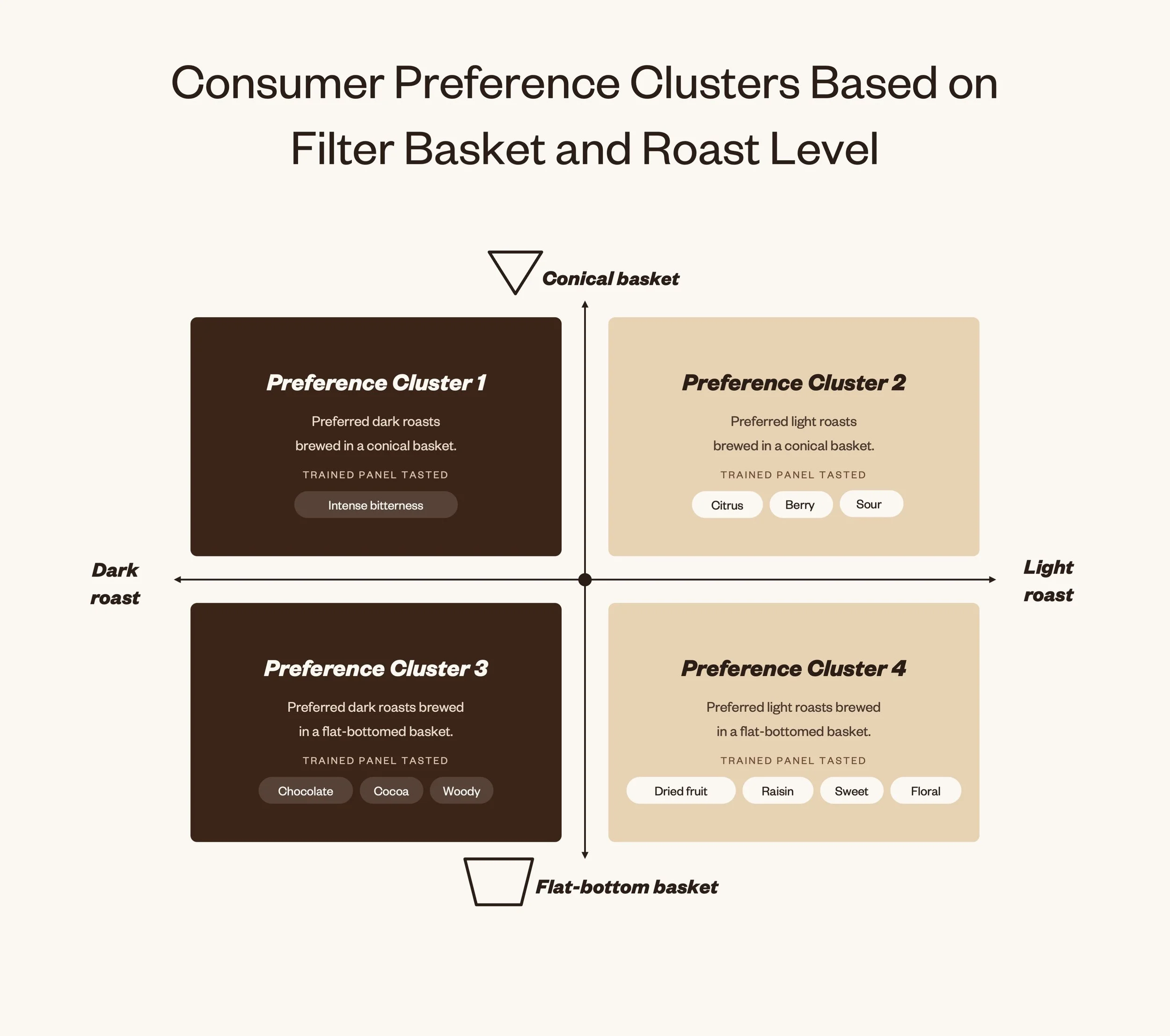
Figure 3. Figure adapted by the SCA from research by the UC Davis Coffee Center. They asked a panel of 85 untrained consumers to share their preferences on brewed coffees. Trained tasters provided tasting notes for the same brews. Consumer preferences split into four clusters of similar size, according to filter basket shape and roast level.
So what did we learn from this research? Well, there is definitely a difference between flat and conical filters: the coffee brewed in each style of basket was significantly different than the other. But which one is better? It turns out that, like so many things in coffee, it comes down to a matter of preference: some people just like the flavor of a cone-brewed coffee, and others like a flat-bottomed brew.
For a more thorough plain-language description of the research, check out “Flat vs. Cone: Basket Shape is as Important as Grind Size in Drip Brew Coffee” in the SCA portal. If you want to read the scientific paper, it’s here: The Effect of Basket Geometry on the Sensory Quality and Consumer Acceptance of Drip Brewed Coffee.
Learn More

READ.
Postdoctoral fellow Dr. SCOTT FROST, Professor JEAN-XAVIER GUINARD, and Professor WILLIAM D. RISTENPART share early results of the UC Davis research project in partnership with the SCA and Breville Corporation.
Create a free Associate Membership to read the article on the SCA Portal.
DIVE DEEPER.
You can read the scientific journal article from the UC Davis researchers, “The Effect of Basket Geometry on the Sensory Quality and Consumer Acceptance of Drip Brewed Coffee” here.
Watch the finals of the World Brewers Cup in Brussels, 2026, to see the brewing devices used by some of the world’s most talented brewers.