

Coffee Decoded: What is “baked” coffee?
Welcome to Coffee, Decoded, the Specialty Coffee Association’s weekly column on science, research, and all things coffee knowledge. Each week, PETER GIULIANO answers complex coffee questions, interprets new research, and dives deep into the science, putting it all in a fun, understandable format.
Every occupation has its jargon. Surfers describe a certain kind of weak, disappointing wave as “mushy.” A barista might call a cappuccino that has sat too long on the counter “dead.” These jargon terms help insiders understand and communicate specific phenomena, especially when there is no general term that applies.
To a coffee roaster, one of these terms is “baked”: as in “Hey, that coffee tastes baked,” or, “Ooh, I think I might have baked that batch.” What do they mean by this, and what might science have to say about the phenomenon?
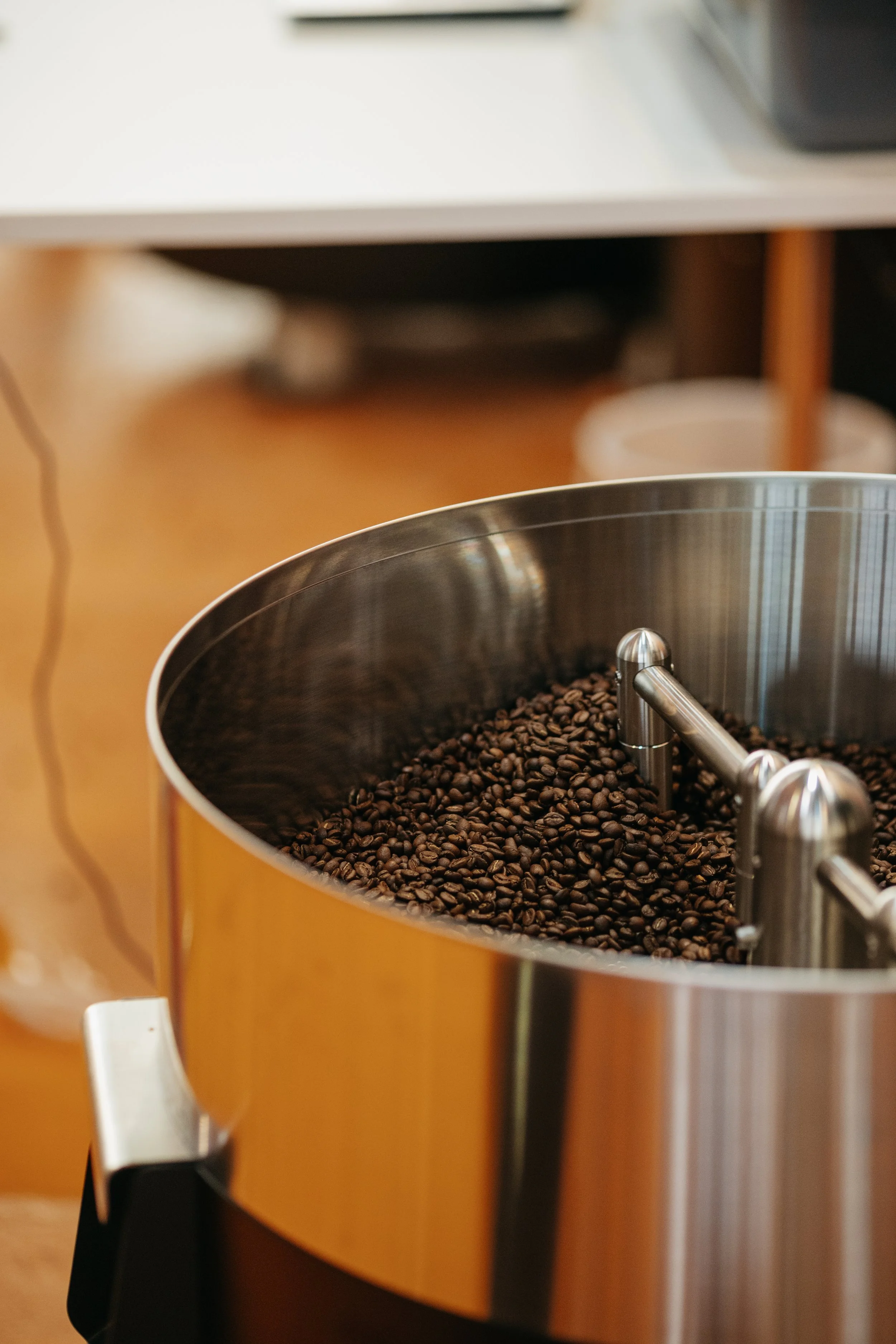
Let’s begin with the word: Webster defines “bake” as “to cook by dry heat, especially in an oven.” According to this definition, all coffee is baked, especially if we consider a roasting machine a kind of oven. Usually, we use the term “roast” for coffee, which, again according to Webster, also means “to cook by dry exposing to dry heat (as in an oven or before a fire)”. So, the terms are almost synonymous in English. Why do roasters sometimes use “baked” to mean something different?
The earliest distinctive use of “baked” to mean something different was in a 1916 edition of Coffee and Tea Trade Journal, where a certain R.C. Wilhelm wrote:
It is a growing belief that in roasts of short duration the largest percentage of the aromatic properties is retained. A slow roast has the effect of baking and does not give full development; also, slow roasts seldom produce bright roasts, and they usually make the coffee hard instead of brittle, even when the color standard has been attained.
Mr. Wilhelm was describing a long, slow roast as “baking” the coffee, and producing an undesirable flavor. Indeed, this is still how most roasters understand the term. One big difference, however: in those days, a normal roast lasted from fifteen to thirty minutes, in contrast to today, when most specialty roasts last for less than fifteen minutes. So “short” and “long” roast durations are relative terms. But, in its original jargon and most common meaning, “baked” means “roasted too long and slow.”
In recent years, an alternative meaning has emerged for the term. It has to do with the “rate of rise” of the coffee as it roasts. According to some roasters, a coffee bean’s temperature should consistently increase over the course of a roast. This increase can be expressed as a rate of temperature increase, or rate of “rise”. If a coffee loses temperature during the roast, or its rate of rise decreases significantly, these roasters call the resulting coffee “baked.”
In both cases—the long-roast condition and the decrease of temperature condition—the resulting coffee is often said to be less sweet, and “flatter” in its flavor.
Researchers have investigated the first definition of the “baked” roast phenomenon in the context of other roasting problems (sometimes called “roast defects”). In 2019, Giacolone et al performed a sensory analysis of various roasting problems, and though the “baked” condition was more like a “normal” roast than some other roasts[1] (like scorched and dark), it was perceived as more bitter and less sweet than normal. An accompanying chemical analysis by Yang et al[2] was able to detect some chemical differences in the “baked” sample that may explain this. It should be noted that in these studies the baked roasts were only 18 minutes long, which may explain why the differences were subtle. Another study from 2022[3] looked at the issue, and though the sensory tests used didn’t have enough statistical power, it does seem like “baked” had a negative sensory impact.
So, the concept of “baked” as a flavor associated with exceptionally long roasts is pretty well established. Fortunately, advances in roasting equipment design and roaster proficiency have meant that it is a rare occurrence- at least in specialty coffee circles. Long roasts—past the 20–30-minute mark—are unusual in these days of efficient roasting and assiduous cupping. It’s good to know about, however: it’s a reminder that every variable can have an effect, if we just pay close attention.
- PETER GIULIANO the SCA's Senior Advisor for Scientific Communication.
[1] Davide Giacalone, Tina Kreuzfeldt Degn, Ni Yang, Chujiao Liu, Ian Fisk, Morten Münchow, “Common roasting defects in coffee: Aroma composition, sensory characterization and consumer perception,” Food Quality and Preference, Volume 71 (2019), https://doi.org/10.1016/j.foodqual.2018.03.009.
[2] Ni Yang, Chujiao Liu, Xingkun Liu, Tina Kreuzfeldt Degn, Morten Munchow, Ian Fisk, “Determination of volatile marker compounds of common coffee roast defects,” Food Chemistry, Volume 211 (2016), https://doi.org/10.1016/j.foodchem.2016.04.124.
[3] L. M. Anastácio, M.C.S. da Silva, D.G. Debona, et al. “Relationship between physical changes in the coffee bean due to roasting profiles and the sensory attributes of the coffee beverage.” Eur Food Res Technol 249, (2023), https://doi.org/10.1007/s00217-022-04118-4.
Want to learn and share about roasting?
Participate
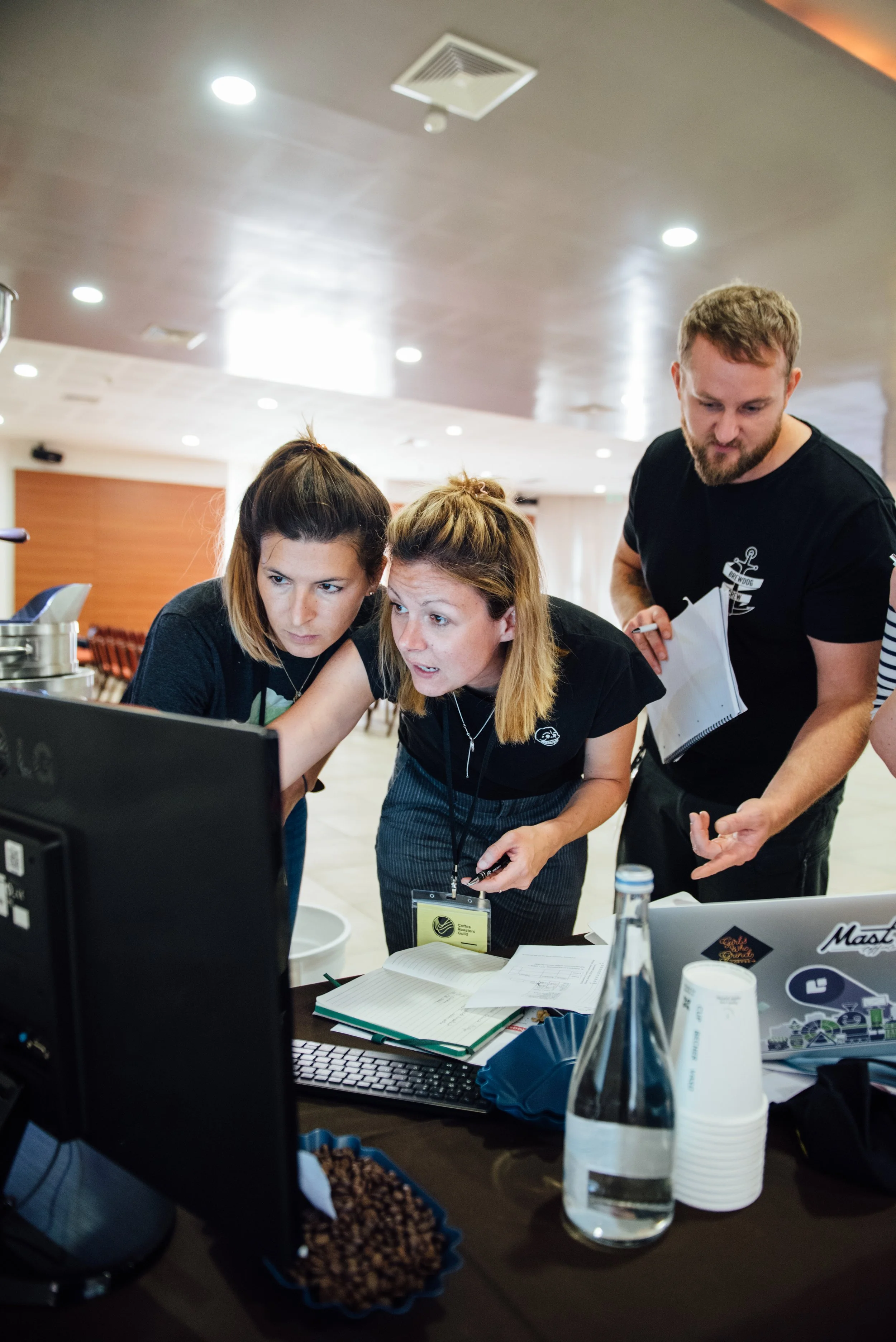
In 2026, the SCA is conducting research on how roast color is measured and communicated. What should "light roast" actually mean — and who gets to decide? SCA is asking the global coffee community to weigh in: Would our industry benefit from formal standards on roast color measurement and designation?
We invite you to share your thoughts in a survey.
Responses are anonymous and take approximately 9 minutes. This is your chance to help shape the future of how our industry talks about roast.
Read
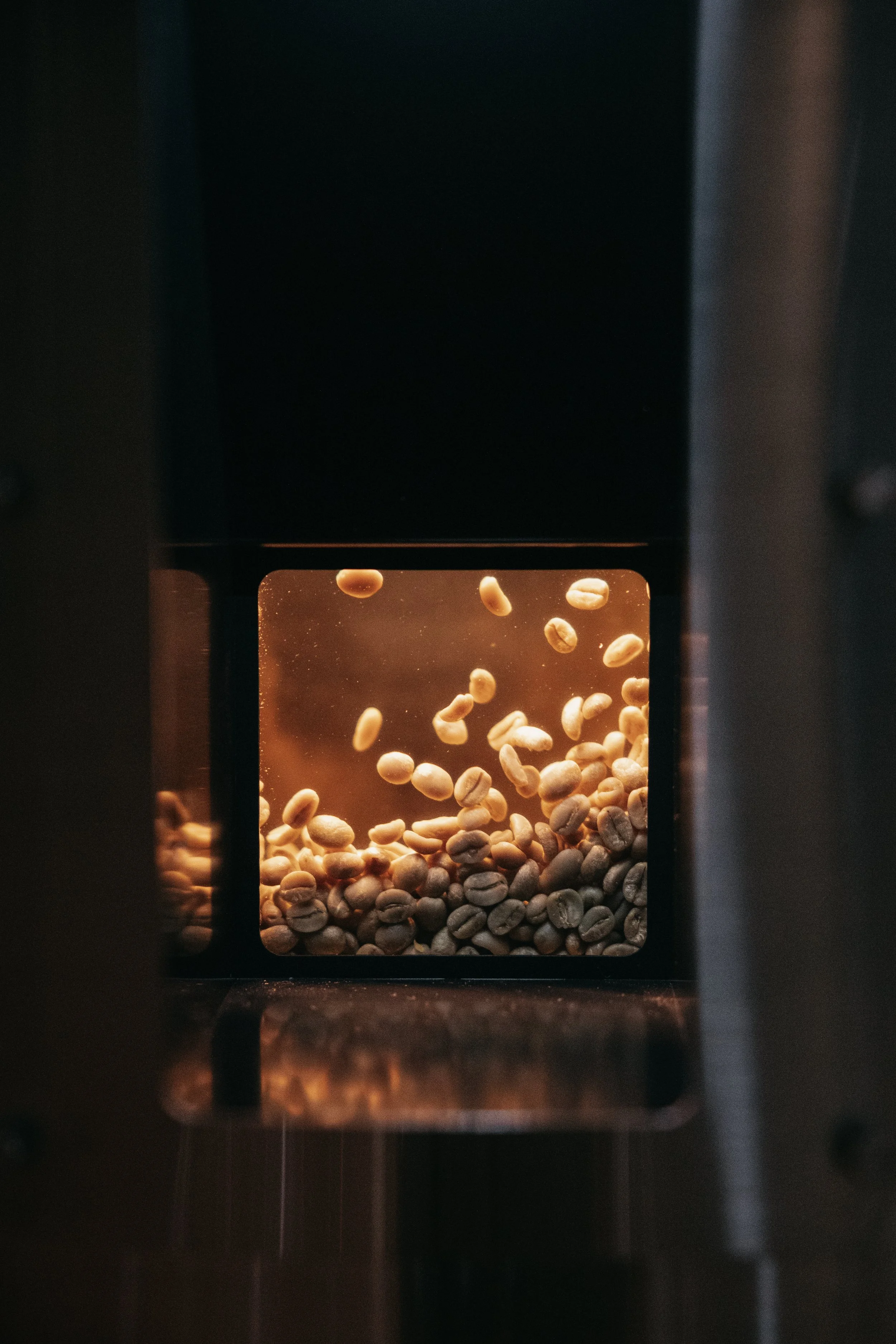
In 25, Issue 21 University of California Davis Coffee Center scientists LAUDIA ANOKYE-BEMPAH, IRWIN R. DONIS-GONZÁLEZ, and WILLIAM D. RISTENPART describe research undertaken in 2023 with a goal of developing new roast color standards for the coffee industry. Accessible via the SCA Member Portal.
Developing Roast Color Standards for the Specialty Coffee Industry A New Roast Color Measurement Approach
A Specialty Coffee Association White Paper detailing the SCA’s research on roast color: how it is measured and how it has typically been described. Accessible via the SCA Member Portal.