

Coffee Decoded: What is “fresh crop” coffee?
Welcome to Coffee, Decoded, the Specialty Coffee Association’s weekly column on science, research, and all things coffee knowledge. Each week, PETER GIULIANO answers complex coffee questions, interprets new research, and dives deep into the science, putting it all in a fun, understandable format.
From time to time, we’ve all said it: “You know, coffee is an agricultural crop.” We use that phrase to explain some of the challenges inherent to working with a product that, like most foods, is grown seasonally and is subject to the forces of nature. It’s an expression that aims to remind the listener that coffee is food, and food quality can change over the course of a year.
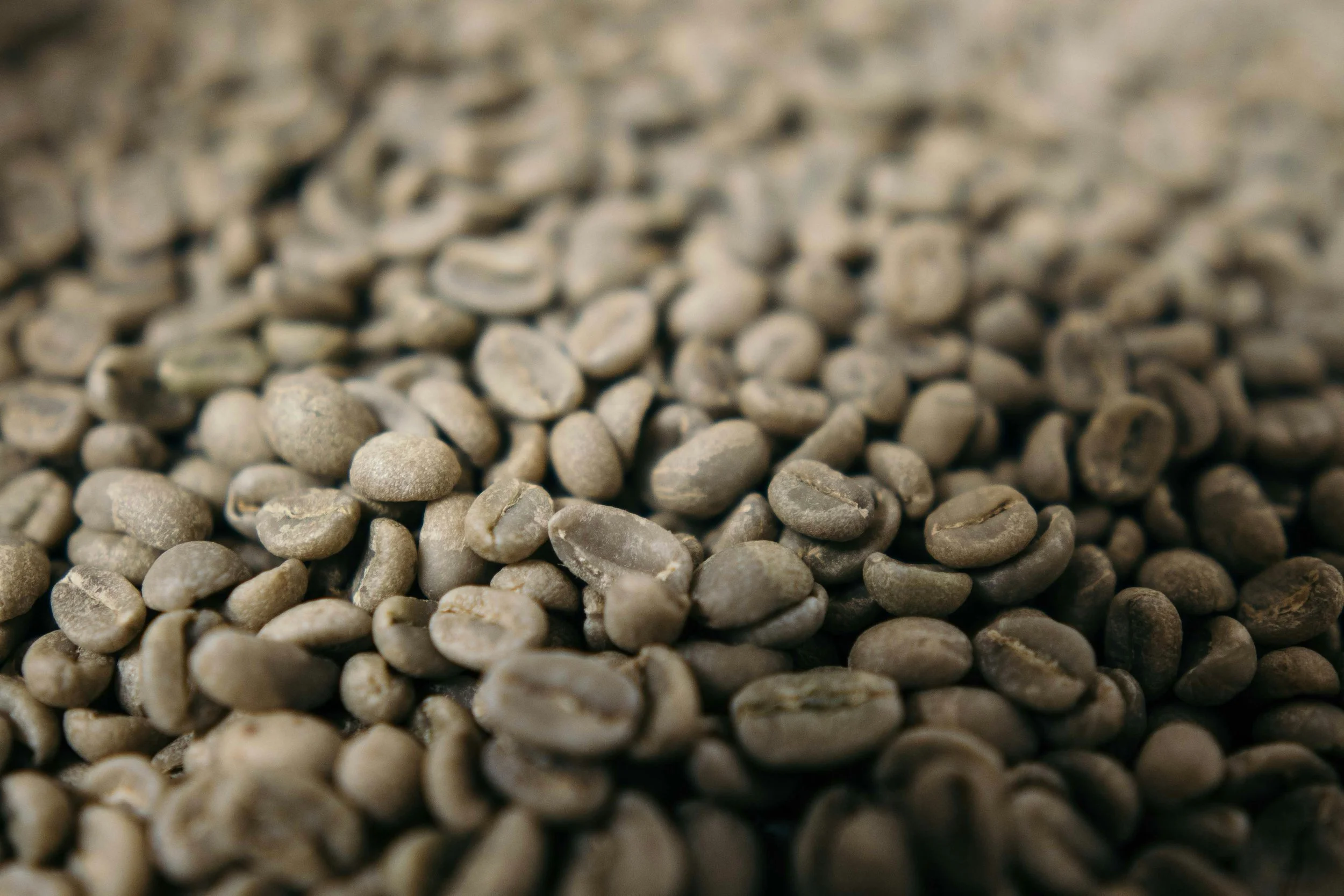
Fresh crop washed process coffee is typically a vivid grey-green color.
In the industry, we use slightly more precise language to describe coffee’s seasonality and change over time. In most countries, coffee is harvested during a specific season, and is processed and prepared for export over a period of weeks. When that coffee is finally ready for export and sale to roasters, it is known as “fresh crop” or “new crop” coffee. “Fresh crop” coffee’s flavor is bright and exciting, the coffee’s color is vivid, and it is at its peak. Over the coming months, these properties fade. The color of a washed coffee moves from vivid grey-green to pale beige. Flavors mute, aromas become less lively, and the coffee seems less exciting. By the time the next year’s harvest arrives, the previous year’s coffee is known as “past crop”; coffee that is still useable, but past its prime—it’s coffee from a different season, a different year. Some coffees age quicker than others, losing their spark in only a few months. Others hold their character for 14 or 16 months before showing their age.
This phenomenon has some important implications for the coffee industry. Most specialty roasters have had the misfortune of having an inventory of coffee that is showing its age, quickly losing its brightness and flavor. Producers or traders may encounter the same problem, unable to sell “past crop” coffee inventory when the “fresh crop” arrives. For this reason, several techniques and innovations have arisen to help preserve the fresh flavor of new coffee. Cool, dry environments help preserve a green coffee’s freshness, to the point where deep-freezing very nearly suspends its aging. Packaging in special plastic or mylar bags helps too, perhaps by excluding oxygen. Specialty coffee companies spend thousands on air conditioning systems, special packaging, and careful inventory management to preserve that “fresh crop” taste. But what causes this phenomenon in the first place?
It’s a challenging thing to study: the process of green coffee aging is slow and environment-dependent, so research takes years, requiring space and equipment. Nevertheless, research on the topic has happened, and it’s found a few culprits.
First of all, remember that green coffee is an alive seed. Though it goes into a kind of suspended animation once it’s dried, it’s still prepared to rehydrate and germinate. Though dramatically slowed, the plant’s metabolism continues to consume a tiny amount of energy, which may- over time- reduce the carbohydrates that help develop coffee flavor. Though this effect is probably very minor, it’s worth considering.
A seemingly larger factor is oxidation. Many of the compounds in green coffee- especially the fats and oils that make up about 15% of green coffee’s weight- are susceptible to degradation from oxygen exposure. Changes to these compounds means that the composition of the coffee changes- sometimes dramatically. One especially important oxidative reaction happens to the polyphenols in coffee. Coffee is one of the richest sources of polyphenols in the human diet- they are why coffee is rich in antioxidants. However, an enzyme in coffee called polyphenol oxidase (PPO) reacts with oxygen and polyphenols to create brown-colored pigments. This is why coffee loses its luster and turns beige or brown over time—this is coffee losing its antioxidants and becoming drab.
There is a lot to learn about green coffee’s aging: why do some coffees age faster than others, even at the same moisture level? Are some processing methods, varieties, and species more susceptible to aging than others? There is a lot left to learn.
- PETER GIULIANO is the SCA's Senior Advisor for Scientific Communication.
Thanks to SCA Technical Officer, Dr. Mario Ferndandez, for the dialogue that helped inform this article.
Want to learn more?


Read scientific research about coffee aging. J. Pazmiño-Arteaga, C. Gallardo, T. González-Rodríguez, et al. “Loss of Sensory Cup Quality: Physiological and Chemical Changes during Green Coffee Storage.” Plant Foods Hum Nutr 77, 1–11 (2022). https://doi.org/10.1007/s11130-022-00953-8
Read about coffee transport networks, which have a significant impact on green coffee freshness. Erika Koss, From Sea to Shining Sea: Coffee’s Transport and Expanding Our Definition of “the Middle People” | 25, Issue 17
Create a free account or login to the SCA Portal to read.